

Winter strips moisture, leaving skin tight, flaky, and lackluster unless you take deliberate steps to protect it. This guide outlines a practical five‑step routine focused on repairing the barrier and delivering deep hydration so your skin remains soft, plump, and glowing throughout the season. Read on for the reasons, the method, ingredient recommendations, and sensible tweaks to keep your winter radiance without adding unnecessary products.
Why winter skin needs a different approach
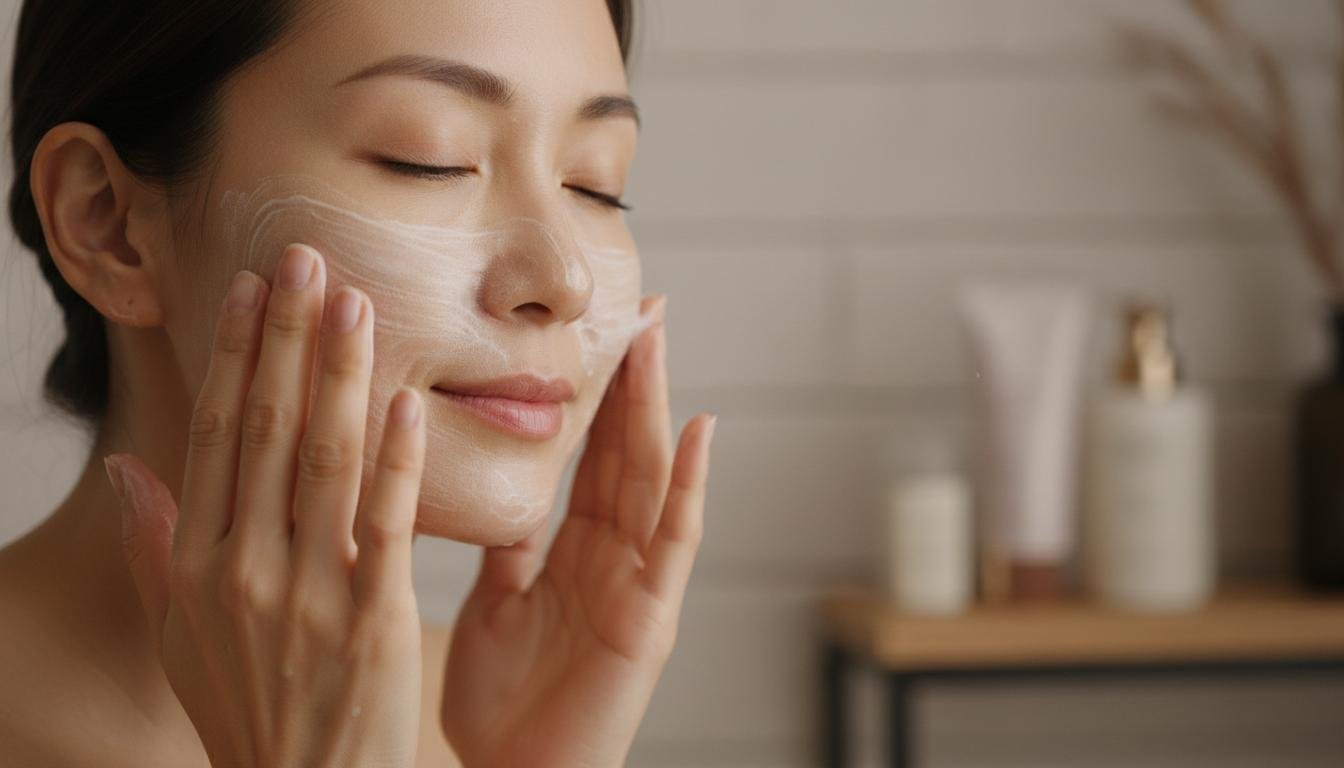
Cold outdoor air combined with indoor heating creates a moisture vacuum. Transepidermal water loss climbs and the skin’s lipid layers weaken, producing roughness, redness, and more pronounced lines. Those signs aren’t just cosmetic—they’re the skin signaling a need for stronger barrier support.
A common reaction is over‑cleansing or slathering on heavy products that never absorb, which can aggravate the problem. A winter plan should emphasize gentle cleansing, careful exfoliation, hydrating actives, and an occlusive finish that seals moisture in.
Imagine your skin as a brick wall: cells are the bricks and lipids are mortar. Winter strips that mortar, so your task is to rebuild it with ceramides, fatty acids, cholesterol, humectants, and a considered occlusive. When these pieces are balanced, the wall holds and the glow returns.
Overview of the five steps
I can do that — tell me which change you want. Do you want to: – swap in a different image file (provide the new URL), – change the alt/title text, – make it lazy‑load or responsive, – wrap it in a link or add a lightbox, – replace it with a WebP/picture element for better performance, or – something else? Meanwhile, here are common changed versions of your tag you can copy/paste. Replace NEW_URL or NEW_ALT with your values. 1) Simple replacement (swap image and alt) 2) Responsive + lazy load (recommended) 3) Use picture element with WebP + fallback 4) Link to full-size image (lightbox-ready) If you want me to produce the exact updated HTML, tell me: – the new image URL (or upload), – new alt/title text (if any), – whether you want lazy-loading, responsive behavior, webp fallback, or a link/lightbox. If you’re using WordPress and want steps to replace the image in the post instead of editing HTML, tell me and I’ll give quick instructions.
Before we go into each step, keep this simple sequence in mind for both morning and night: cleanse, exfoliate sparingly, apply hydrating serums, lock in moisture with a richer cream, and finish with barrier protection including sunscreen during the day. The sequence matters—apply thinner textures first and seal with heavier ones.
Below are the reasons for each step, notes on ingredients, suggested frequencies, and adjustments for sensitive, acne‑prone, or mature skin. Use the short checklist at the end to assemble a quick routine you’ll actually follow.
Step 1: gentle cleansing
Cleansing removes dirt, sweat, and environmental buildup from the skin. In winter, choose a method that doesn’t strip natural oils. Opt for a mild, low‑foaming cleanser or a cream/oil formula that lifts impurities while preserving lipids.
Seek nonalkaline pH formulas and soothing ingredients like glycerin, squalane, and gentle surfactants such as coco‑betaine or decyl glucoside. Steer clear of high‑dose sulfates and aggressive exfoliating washes that leave skin tight and reactive.
How to use: use lukewarm, not hot, water. Massage for 30–60 seconds and rinse thoroughly. If you wear makeup or sunscreen, double cleansing at night—oil or balm first, followed by a gentle second cleanse—removes buildup without overdrying.
product suggestions and why they work
Oil and balm cleansers suit dry winter skin because oil dissolves oil—makeup, sebum, and SPF come off efficiently without evaporative drying. Cream cleansers add emollients during washing to help maintain softness. Gel cleansers formulated for dry or sensitive skin can also work if they’re sulfate‑free.
After switching from a foaming cleanser to a cream cleanser myself, I noticed less tightness and fewer flaky spots within weeks. The improvement came not from more products, but from avoiding harsh detergents that damaged the skin.
Step 2: controlled exfoliation
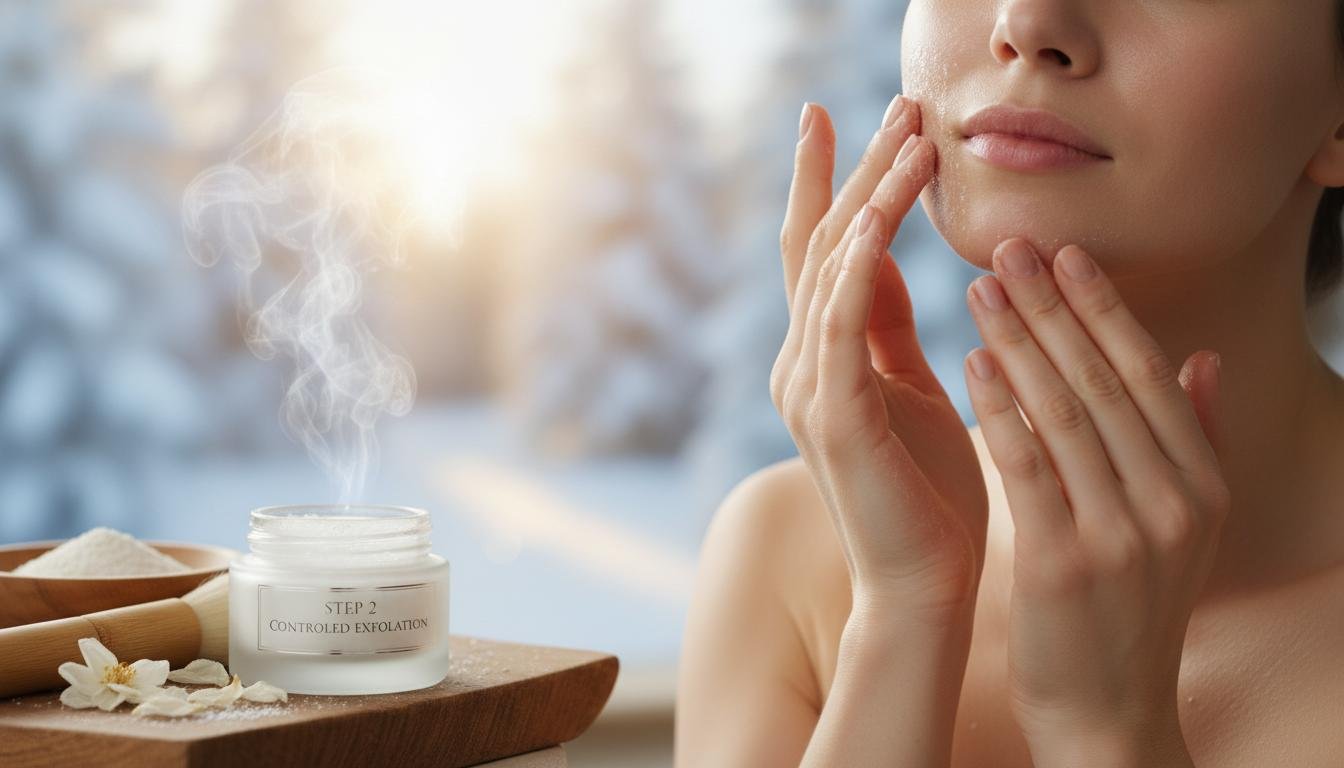
Exfoliation evens texture and helps hydrating serums penetrate. In winter it should be less frequent and more deliberate. Over‑exfoliation damages an already weakened barrier and increases dehydration rather than improving it.
Choose gentle chemical exfoliants—low concentrations of lactic acid (around 4–5%) or mandelic acid—which hydrate as they exfoliate. Salicylic acid can help acne‑prone skin but may dry you out; use it sparingly and follow with moisturizing steps. Avoid daily physical scrubs or intense peels unless a dermatologist advises otherwise.
Frequency depends on tolerance: once weekly for very dry or sensitive skin, twice weekly for normal/combination skin, and up to three times for tolerant, oily skin. Apply exfoliants to dry, clean skin and follow with a hydrating serum and moisturizer to avoid stinging or tightness.
how to spot over‑exfoliation
Signs include ongoing redness, heightened sensitivity, burning after products, rough patches that don’t respond to moisturizers, or sudden breakouts. If these occur, stop exfoliating and concentrate on barrier repair using ingredients like ceramides and niacinamide.
In my winter routine I limit chemical exfoliation to once weekly and only buff when congestion appears. That small change reduced seasonal redness and improved product absorption.
Step 3: hydration with targeted serums
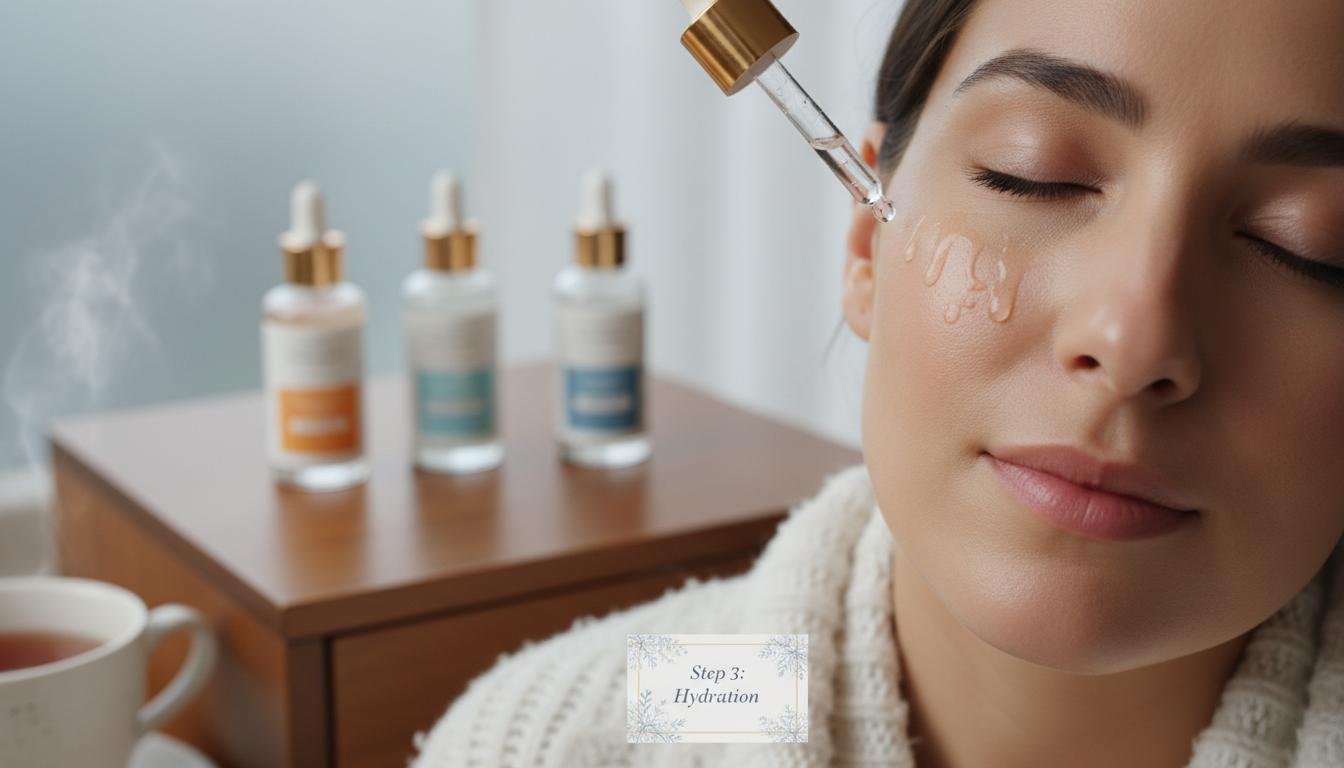
Hydrating serums deliver humectants and actives where they’re most effective. Hyaluronic acid, glycerin, and low‑molecular‑weight humectants attract and hold water in the upper layers, while niacinamide and similar ingredients strengthen the barrier and reduce transepidermal water loss.
Layering order matters: apply from thinnest to thickest. After cleansing and any exfoliation, pat serum into damp skin to boost absorption. This step increases the serum’s ability to draw water into the epidermis and minimizes surface flaking.
A useful sequence: in the morning, antioxidant or vitamin C (if tolerated), then hyaluronic acid or glycerin, followed by peptides or niacinamide. At night, choose reparative serums like peptides, bakuchiol (if avoiding retinoids), or gentle ceramide boosters to support overnight repair.
retinoids: winter scheduling and precautions
Retinoids can be drying and increase sensitivity, though they remain valuable for stimulating collagen. If you use tretinoin or retinol, cut back frequency when the air is drier—try every other night or start with twice weekly. Always follow retinoids with a nourishing moisturizer and avoid strong chemical exfoliants on the same evening.
For winter‑sensitive skin, consider alternatives such as bakuchiol or mild peptide complexes that improve texture and tone without intense peeling. I keep retinoid nights to twice weekly in winter, pairing them with hyaluronic serum and a rich moisturizer to counteract dryness.
Step 4: rich moisturizer and barrier repair
Moisturizer is essential in winter—it’s the mortar that seals the bricks. Pick a formula combining occlusives, emollients, and barrier lipids. Favor ingredients like ceramides, cholesterol, fatty acids, squalane, shea butter, and dimethicone for sealing.
Texture should balance comfort and function. Use a richer cream at night and a lighter cream or gel‑cream during the day if you prefer. For very dry skin, layering a lightweight moisturizer under a heavier cream provides immediate comfort plus long‑term repair.
Apply moisturizer while skin is still slightly damp from serum to trap moisture. Include neck and décolletage—these areas often get overlooked and can appear dry compared with a well‑moisturized face.
moisturizer ingredient primer
Ceramides: restore structural lipids and should feature prominently in winter creams. Humectants: glycerin and hyaluronic acid pull water into the skin. Occlusives: petrolatum, dimethicone, squalane, and plant oils help lock in moisture. Emollients: fatty alcohols and esters smooth texture and improve spreadability.
When I changed my night cream to one rich in ceramides and cholesterol, the tiny dry spots around my mouth vanished within two weeks. The result wasn’t flashy marketing—just smoother skin and fewer midday touchups.
Step 5: protective measures and sunscreen
Sunscreen is important year‑round. Winter UV can still drive pigmentation, collagen damage, and cumulative harm. Use a broad‑spectrum SPF 30 or higher and reapply if you’re outside for long stretches. Mineral sunscreens (zinc oxide, titanium dioxide) are often kinder to dry, reactive winter skin.
Beyond SPF, consider occlusive measures in extreme cold. A thin layer of petrolatum or a sleeping balm as the last step at night can prevent water loss in subzero conditions. For daytime, a light occlusive such as squalane or a silicone‑based primer can protect and smooth skin under makeup.
Don’t forget hands and lips: these areas are repeatedly exposed and frequently neglected. Thick hand creams with urea or glycerin and regular lip balm prevent painful cracks. Keep small tubes in your coat pocket for quick winter rescue.
balancing protection with breathable skin
Some worry that heavy occlusives clog pores. The solution is balance—apply occlusives only to the driest zones, avoid heavy creams on acne‑prone areas, and choose noncomedogenic formulas when necessary. Targeted, small amounts prevent excess shine while providing meaningful hydration.
I reserve heavier occlusives for nighttime and very cold outings. Daytime protection is lighter, with sunscreen layered on top to maintain both comfort and defense.
Morning routine: a practical sequence
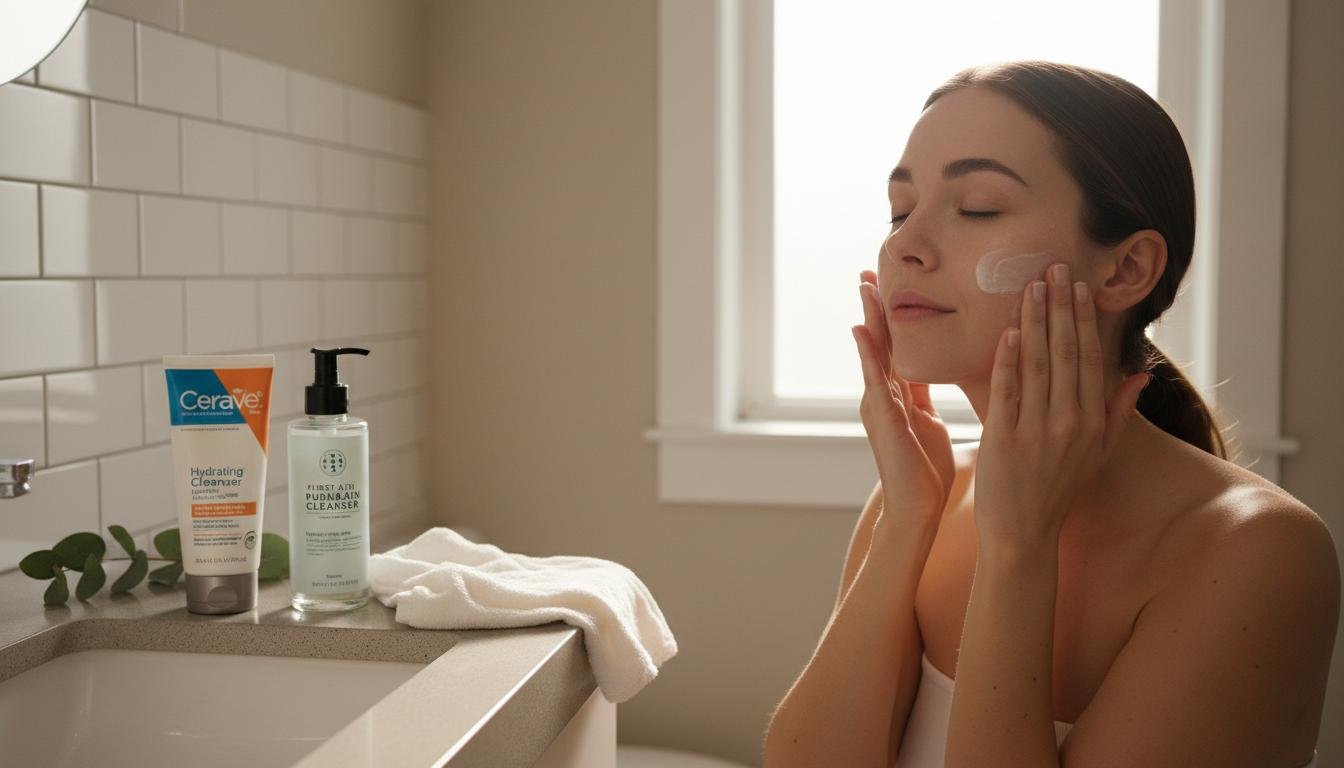
Your morning routine should protect and prep. Start with a gentle cleanse to refresh, apply an antioxidant serum if you use one, follow with a hydrating serum, then moisturizer and sunscreen. If you wear makeup, let sunscreen absorb fully before foundation to prevent pilling.
For a quick five‑minute morning routine on busy days, stick to cleanse, hydrating serum, moisturizer, and sunscreen. Regular SPF and a good moisturizer will improve your winter glow more than an elaborate multi‑step routine done inconsistently.
Evening routine: repair and replenish
Evening is for repair. Double cleanse if you wore sunscreen or makeup, exfoliate only on planned nights, apply treatment serums like retinoids or peptides, hydrate, and finish with a richer moisturizer or occlusive balm. Nighttime is when skin repairs itself, so support that process.
Weekly treatments such as sleeping masks or richer overnight oil blends are useful when skin feels depleted. Use them 1–2 times per week rather than nightly to avoid upsetting the skin’s balance.
Targeted care: lips, hands, and body
Face care matters, but hands and body often show winter distress first. Hands face harsh soaps and cold wind frequently, so carry a hand cream with humectants and emollients and use a nourishing overnight treatment. Apply after each hand wash when possible.
Lips need a dedicated balm with petrolatum, beeswax, or shea butter. For chapped or cracked lips, a balm with ceramides or a small nightly layer of petroleum jelly heals fissures faster than repeatedly reapplying thin balms.
For the body, switch from light lotions to richer creams or butters. Watch elbows, knees, and shins—these thicker‑skinned areas can roughen. Apply a gentle body oil or cream immediately after showering to trap moisture while skin is still damp.
Common winter skin mistakes to avoid
People often overcorrect in winter with heavy creams, too much exfoliation, or skipping sunscreen. Heavy products can sit on the surface and cause congestion, while over‑exfoliation damages the barrier. Skipping SPF overlooks a major source of long‑term harm even on cold, cloudy days.
Another common error is mistiming hydration. Apply humectant serums to damp skin and follow with an occlusive to lock in water. Skipping that pairing wastes the humectant and leaves skin feeling tight despite multiple products.
do’s and don’ts at a glance
| Do | Don’t | Why |
|---|---|---|
| Use gentle, pH‑balanced cleansers | Rely on hot water or foaming sulfates | Preserves lipids and reduces irritation |
| Layer humectants then occlusives | Apply occlusive first | Ensures hydration is trapped, not blocked |
| Include SPF every day | Skip sunscreen when cloudy | UV damage is cumulative and still active |
| Exfoliate gently and infrequently | Scrub vigorously or daily peel | Avoids barrier disruption and inflammation |
How to adapt the routine for sensitive or acne‑prone skin
Sensitive skin benefits from pared‑down formulas and patch testing new items on the inner forearm for several days before full use. Avoid fragrance, denatured alcohol, and high levels of actives until you know your tolerance. Build around a gentle cleansing and hydrating core, adding one new product at a time.
For acne‑prone skin, opt for noncomedogenic moisturizers and lighter occlusives. Apply spot treatments or benzoyl peroxide before heavier creams and ensure good hydration to reduce flaking. A moisturizer with ceramides and niacinamide can support the barrier while helping control oil and inflammation.
Seeing a dermatologist is sensible if you use prescription retinoids, antibiotics, or other medications. They can tailor frequency and complementary products so you repair the barrier without worsening acne or sensitivity.
Ingredient guide: what to look for and what to avoid
Winter‑friendly ingredients repair, hydrate, and protect. Ceramides, hyaluronic acid, glycerin, niacinamide, peptides, squalane, and cholesterol are particularly helpful. Occlusives like petrolatum and dimethicone effectively seal moisture and limit transepidermal water loss.
Avoid high levels of drying alcohols, strong fragrances, and potent essential oils that can irritate delicate winter skin. Be cautious with strong AHA/BHA peels, especially alongside retinoids or prescription treatments.
When introducing a new winter product, wait at least two weeks before judging results. Barrier repair takes time: noticeable improvements in hydration and texture usually appear after 2–6 weeks of consistent care rather than overnight.
Practical tips to boost your routine and daily habits
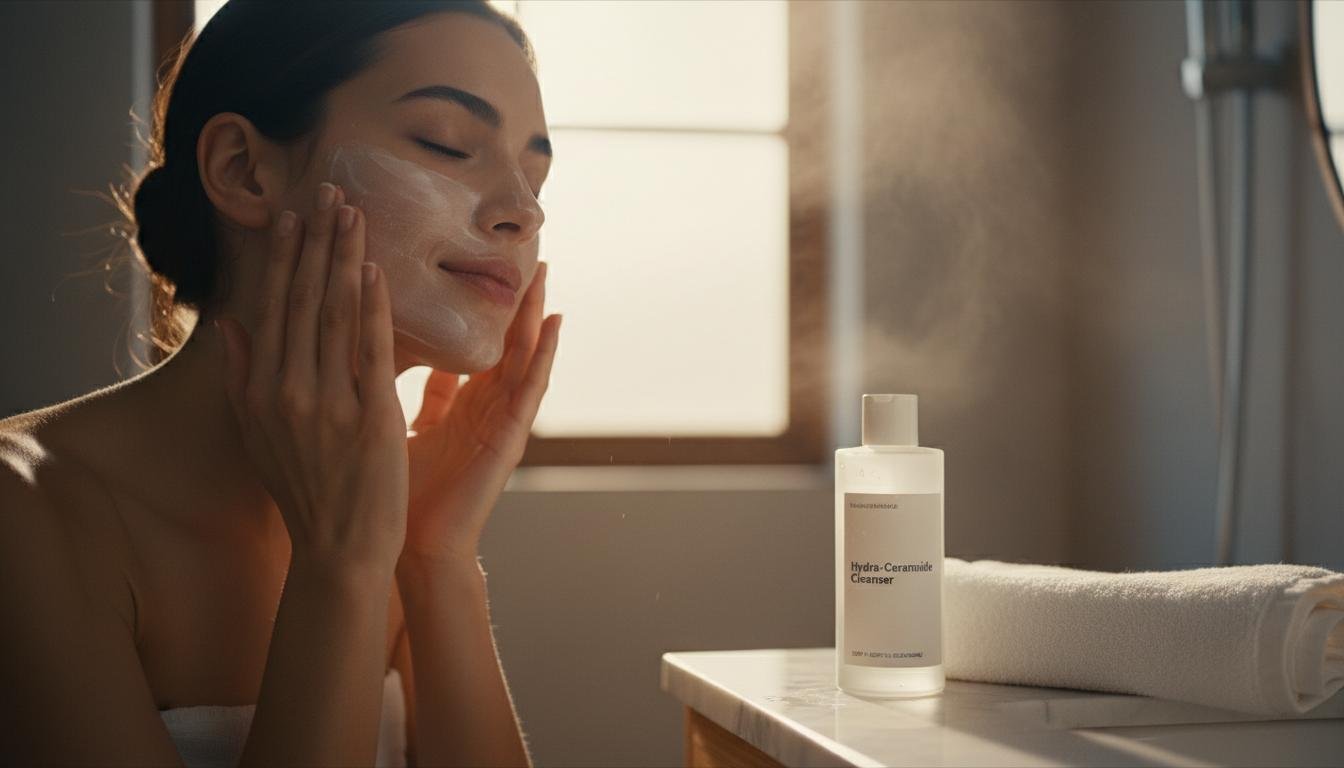
Small environmental tweaks support any skincare plan. Use a humidifier in heated rooms to restore ambient moisture and reduce dehydration. Keep showers short and warm instead of hot, and pat skin dry—don’t rub. These small Habits lessen the burden on your products.
Hydration also depends on what you eat and drink: drink regularly during the day and include omega‑3 rich foods—fatty fish, flaxseed, and walnuts—to support the skin barrier. Topical care is key, but lifestyle factors can amplify or undermine results.
Another tip: place products where you’ll use them. A night cream by the bedside and a travel‑size hand cream in your coat pocket increase consistent use. Consistency is the single best predictor of skin improvement.
Quick 5‑step checklist you can print or memorize
- Cleanse gently with lukewarm water.
- Exfoliate only as needed (chemical over physical; 1–2× weekly).
- Apply hydrating serum(s) to damp skin.
- Seal with a ceramide‑rich moisturizer or cream.
- Protect with broad‑spectrum sunscreen during the day; add occlusive balm at night for extreme cold.
Keep this checklist nearby and adjust frequency according to your skin’s response. If unsure, cut back on actives and increase barrier‑supporting ingredients.
Real‑life examples and personal adjustments
One winter I had persistent tightness and redness on my cheeks despite regular moisturizing. I stopped daily physical exfoliation, switched to a 3% lactic acid once weekly, and used a ceramide night cream; redness faded within two weeks. Texture softened and antioxidants no longer stung.
When traveling to colder regions, I pack a small jar of occlusive balm for use on flights and outdoors. Cabin air is extremely drying, and that simple step prevents the flaky tightness that used to appear by day three of a trip.
These examples show the five steps are flexible. The essentials—cleanse, exfoliate sparingly, hydrate, moisturize, protect—remain the same. How you apply them depends on skin type, climate, and any treatments you’re using.
When to see a dermatologist
Consult a dermatologist if you have persistent redness, burning, painful cracks, or severe breakouts that don’t improve with gentle care. They can diagnose conditions like eczema, rosacea, or contact dermatitis and prescribe treatments that over‑the‑counter options can’t.
A dermatologist can also advise on safely using prescription retinoids or chemical peels in winter, including frequency and complementary products to prevent barrier damage. Professional input is especially important if you’re on systemic medications like isotretinoin that change skin physiology.
Winter routine variations for different skin types
Dry skin: follow all five steps, favor thicker occlusives, use ceramides more often, and try weekly nourishing masks. Add a facial oil at night if you need extra emolliency. Avoid strong exfoliants.
Oily/combination skin: choose lighter textures but don’t skip moisturizer—gel‑creams with ceramides and humectants work well. Use salicylic acid sparingly on congested areas and reserve heavier creams for dry patches.
Sensitive skin: keep the routine minimal—gentle cleanser, humectant serum, ceramide moisturizer, and SPF. Introduce actives slowly and avoid fragrances and essential oils.
My closing thoughts on maintaining a velvety winter glow
Winter doesn’t have to mean sacrificing your skin. With considered choices—gentle cleansing, measured exfoliation, humectant serums, barrier‑repair moisturizers, and steady protection—you can keep skin soft and luminous even as temperatures fall. The five steps create a flexible framework that fits both your skin’s needs and your lifestyle.
Begin with the basics, watch how your skin reacts, and make small adjustments rather than overhauling everything at once. That steady approach yields the most reliable, lasting glow: resilient, soft skin that feels as good as it looks.